
SoHo, New York: What to See, Do, and Know in 2026 Before You Move Here
What Does SoHo Stand For?
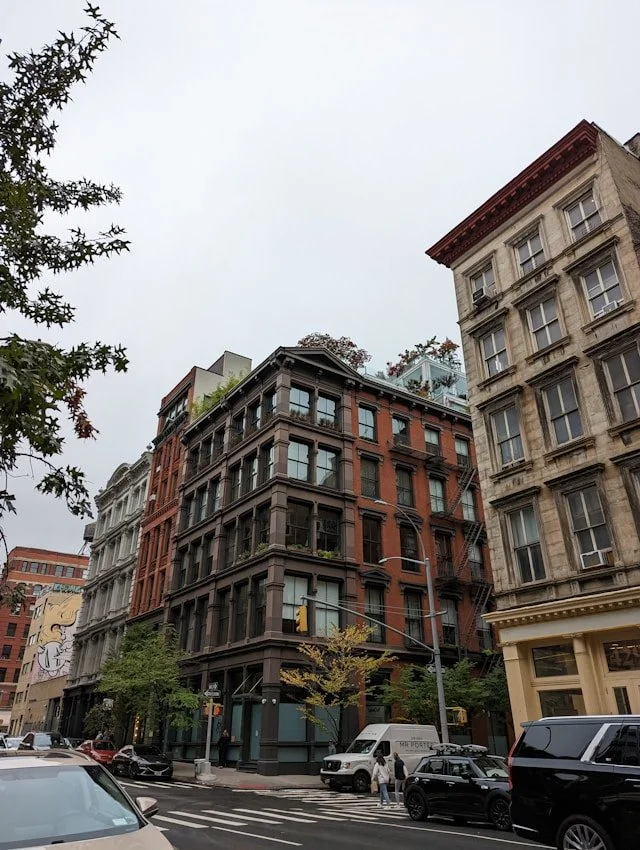
“SoHo” stands for South of Houston Street. The name emerged in the late 1960s and 1970s as artists and planners used the shorthand to describe the former manufacturing blocks just below Houston Street in Lower Manhattan. The label stuck, and the area gradually evolved into the mix of cast-iron architecture, galleries, high-end fashion, and residential lofts that define SoHo, New York today.
SoHo is compact but dense with activity. Its historic buildings, artistic legacy, and fashion-forward energy make it one of the most recognizable neighborhoods in the city.
Where is SoHo in New York City?
SoHo sits in Lower Manhattan, toward the bottom of the borough. It’s surrounded by some of the city’s best-known neighborhoods:
West Village and Greenwich Village to the north and northwest
Nolita and Lower East Side to the east
Tribeca to the southwest
Chinatown and Little Italy just to the south and southeast
Roughly speaking, SoHo runs:
North–south from Houston Street down toward Canal Street
East–west from around Crosby Street over to West Broadway
Those boundaries shift a little depending on who you ask, but if you’re walking around near Prince Street, Spring Street, Broadway, and West Broadway, you’re in the heart of SoHo.
What Is SoHo Known For?
SoHo is famous for its cast-iron buildings and cobblestone streets, art, design, and creative industries, and shopping.
Cast-iron buildings and cobblestone streets
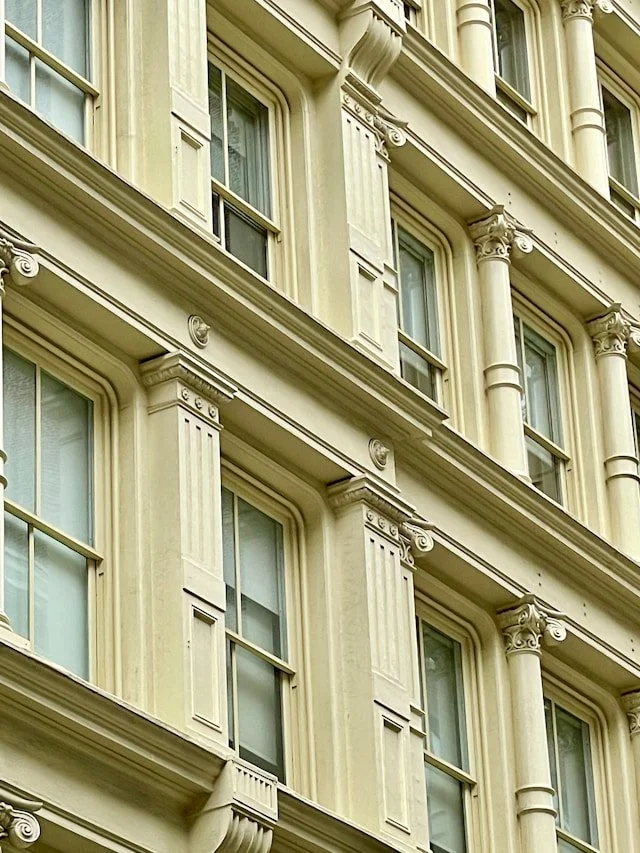
The SoHo–Cast Iron Historic District is one of the largest collections of cast-iron façades in the world. By one official count it covers 26 blocks and roughly 500 buildings, a scale you can feel as you walk block to block and see iron columns, fire escapes, and intricate details repeating along the streets.Art, design, and creative industries
From the 1960s onward, SoHo became a center for artists who converted former industrial lofts into studios and live-work spaces. That history is still visible in the neighborhood’s galleries, design shops, and creative offices.Shopping and street-level life
Today’s SoHo is also a major shopping corridor, with a mix of global luxury brands, independent boutiques, and outdoor vendors, especially along Broadway, Prince Street, and Spring Street. Weekends often feel like a street-level parade of shoppers and visitors.
What to See and Do in SoHo, New York
If you’re imagining your own perfect day in SoHo, you don’t need a strict plan. The historic district’s 26 blocks and roughly 500 cast-iron buildings form an open-air environment that’s worth exploring on foot, with galleries, cafés, shops, and architectural details unfolding at every turn.
Galleries and art spaces
SoHo still holds a number of small galleries, exhibition spaces, and nonprofit institutions. Highlights include:
The Drawing Center (35 Wooster Street), a long-running nonprofit dedicated to drawing.
Leslie-Lohman Museum of Art, focused on LGBTQ+ art and history, just north of SoHo in Hudson Square.
Side streets like Wooster, Greene, Mercer, and Grand often feature rotating installations and design showrooms.
Architecture and streetscapes
Walking is one of the best ways to experience SoHo. Many blocks retain industrial-era details such as:
Cast-iron façades
Decorative columns
Fire escapes
Cobblestone streets
Loft-style windows
The SoHo–Cast Iron Historic District was designated in 1973, protecting the neighborhood’s unique architectural character. The area is recognized for:
Its unrivaled concentration of cast-iron buildings
Architectural significance from the late 1800s
Its role in New York’s artistic and cultural history
Later planning studies, including the SoHo/NoHo Neighborhood Plan, explored how zoning, housing, and preservation could evolve while maintaining SoHo’s defining features.
Shopping in SoHo
SoHo is one of New York’s most concentrated shopping neighborhoods, mixing high-end luxury with practical design retailers.
Luxury fashion houses with major SoHo boutiques include, Chanel, Louis Vuitton, Gucci, and Prada. These stores cluster along Greene Street, Wooster Street, Prince Street, and Broadway, offering a window into the fashion culture that helped shape the area’s current identity.
Alongside them are practical shops with a high-design feel, such as:
Muji, known for minimalist home goods, apparel, and stationery
Apple on Prince Street, a flagship tech destination that anchors part of the district
This mix of luxury and everyday design-focused retailers is part of what makes shopping in SoHo distinct from the rest of Manhattan.
Cafés and food
SoHo’s café-to-restaurant ratio is part of its charm. Well-known spots include:
Dominique Ansel Bakery, home of the Cronut and an international pastry destination
Ground Support Café on West Broadway, a longtime neighborhood standby
MarieBelle Cacao Bar & Tea Salon, a SoHo favorite for chocolate and desserts
Balthazar, one of the city’s most iconic French brasseries
Restaurants and bars continue south toward Tribeca and north to Greenwich Village, making SoHo a central jumping-off point for dining across Lower Manhattan.
Cost of Living in SoHo, New York
Whether you’re browsing SoHo homes for sale, comparing SoHo rentals the neighborhood is widely known as one of Manhattan’s more expensive areas. It’s important to factor in first month’s rent and any broker fees into your moving costs.
SoHo rentals
The median gross rent in SoHo is about $7,450 per month (Zumper), significantly above Manhattan and citywide averages. Finding a sublet could be a good way to test out living in the neighborhood before committing to high rent.
These figures include a mix of market-rate and regulated apartments, and any number of bedrooms. SoHo rentals tend to include loft apartments, renovated units in cast-iron buildings, and mixed-use walk-ups with limited vacancy.
SoHo real estate
On the ownership side, SoHo consistently ranks among New York’s most expensive. The median list price for housing is was $3,583,333 in October 2025 (Zillow).
Homes in SoHo often include:
Artist lofts
Industrial-to-residential conversions
High-end condos in and around landmarked buildings
Demand remains strong due to the neighborhood’s architecture, location, and limited housing stock.
FAQ About SoHo, New York
Is SoHo considered safe?
SoHo is a busy, well-traveled neighborhood with a steady mix of residents, workers, and visitors. As with any major urban area, standard precautions apply, but it is generally viewed as safe.
How do I get to SoHo by subway?
Stations at Prince Street (R/W), Spring Street (C/E), Canal Street (multiple lines), and Broadway–Lafayette (B/D/F/M) make SoHo one of the most transit-accessible neighborhoods in Manhattan.
How does SoHo compare to nearby neighborhoods like Tribeca or Nolita?
Tribeca is quieter and more residential, with larger luxury buildings.
Nolita is intimate, boutique-heavy, and stylish.
Greenwich Village offers historic streets and a more residential feel.
SoHo tends to be busier, more commercial, and more fashion-focused than its neighbors.
Is SoHo expensive to live in?
Yes. SoHo is consistently one of the most expensive neighborhoods in New York City. It is known for its historic loft buildings, high end retail, and limited housing inventory, all of which push prices far above the city average.